 Zhongji Huakang
Site-wide search
Search the entire website
Site-wide searchProduct centerNews Center
Click to start the search
Popular searches
UltraForm-MXFlexiPoly-RNanoForm Z300EcoFab P200
Search the entire website
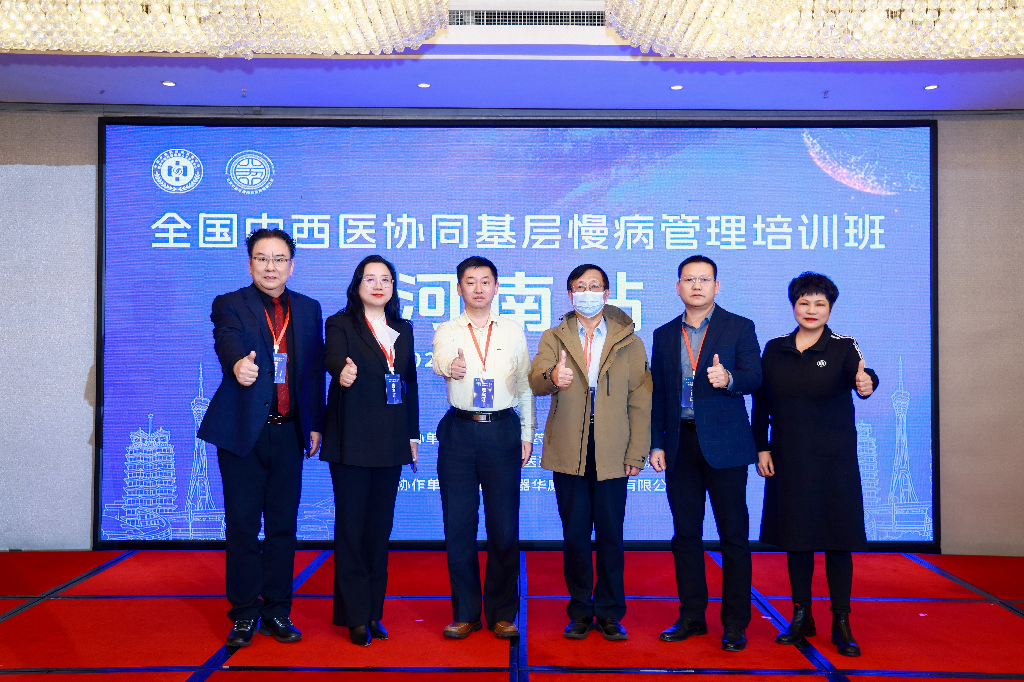
On December 25, 2024, the Henan Station of the national collaborative Grassroots Chronic Disease Management Training Course in Chinese and Western Medicine was successfully held in the Central Plains Hall on the third floor of Taihong Vincent Hotel in Zhengzhou City. This training course was organized by the China Center for the Development of Traditional Chinese Medicine (Talent Exchange Center of the State Administration of Traditional Chinese Medicine). It aims to enhance the comprehensive service capabilities of primary medical institutions in the management of chronic diseases and promote the in-depth application of Chinese and Western medicine synergy in the management of chronic diseases. Zeng Yun, Director of the Pharmaceutical Industry Department of the China Academy of Traditional Chinese Medicine Science and Technology Development, Ji Xiwei, Director of the Department of Traditional Chinese Medicine Science and Technology Education of the Henan Provincial Health Commission, Duan Ruichang, Director of the Department of Traditional Chinese Medicine Development of the Henan Provincial Health Commission, Wang Ruiquan, Secretary-General of the Henan Provincial Society of Traditional Chinese Medicine and other leaders attended the training class and delivered speeches.
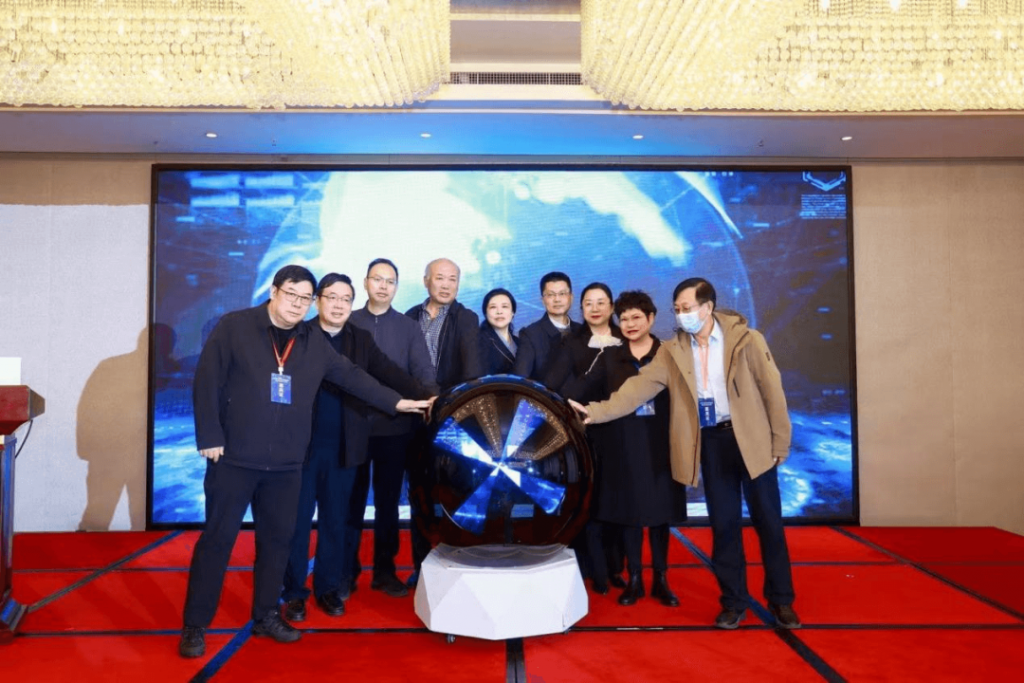
The training course attracted many well-known experts and scholars in the field of Chinese and Western medicine to participate, with as many as 150 participants. Attending the meeting included well-known national experts, Director Ni Qing, Department of Endocrinology, Guanganmen Hospital, Chinese Academy of Traditional Chinese Medicine, Minister Wang Zhong, Department of General Medicine and Health Medicine, Tsinghua Chang Gung Memorial Hospital, Beijing, Director Ma Liren, Peripheral Vascular Disease Hospital, Pingdingshan Hospital of Traditional Chinese Medicine, and other experts.
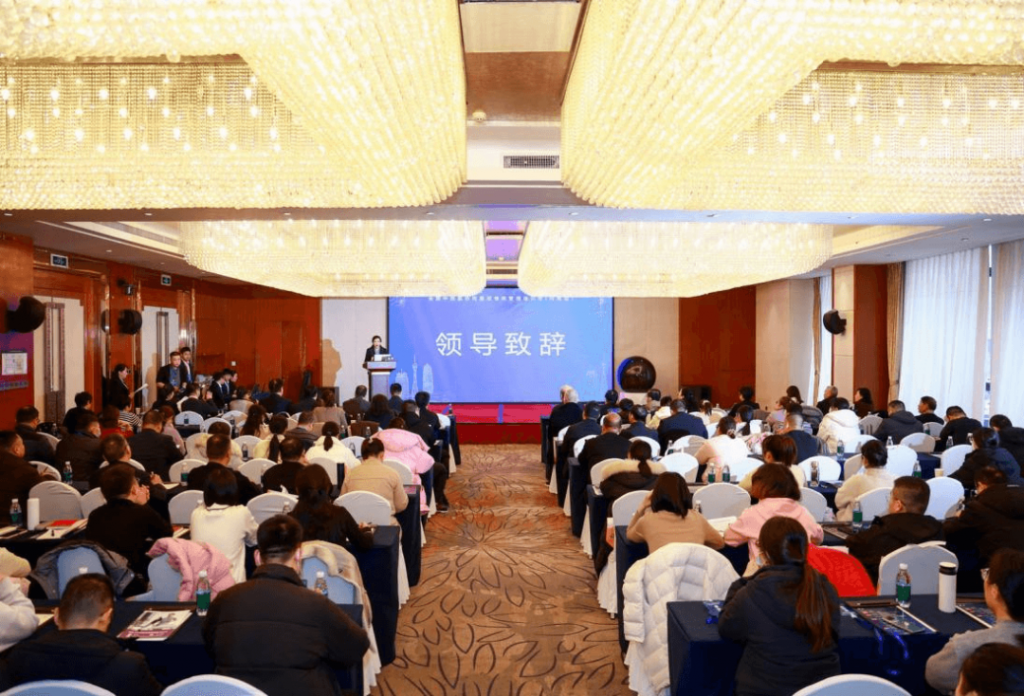
The opening ceremony in the morning was presided over by Yang Liping of Zhengzhou Xincheng Road Community Health Service Center. Director Ji Xiwei of the Department of Traditional Chinese Medicine Science and Technology Education of the Henan Provincial Health Commission delivered a speech emphasizing the important position of Henan Province in the development of traditional Chinese medicine and the remarkable achievements made in recent years. Henan, as a large province of traditional Chinese medicine, has been in traditional Chinese medicine in recent years.Remarkable results have been achieved in the development of the pharmaceutical industry, and every effort has been made to promote the innovation and development of the traditional Chinese medicine industry. He hopes that through this training course, he will build a platform for exchange and learning, jointly enhance the capabilities of traditional Chinese medicine services at the grassroots level, and ensure the needs of traditional Chinese medicine services for common, multiple, and chronic diseases at the grassroots level.
Director Zeng Yun of the Chinese Medicine Industry Department of the Chinese Academy of Traditional Chinese Medicine Science and Technology Development Center explained the importance and potential of Chinese and Western Medicine Synergy in the management of chronic Diseases. She pointed out that traditional Chinese medicine and Western medicine have their own advantages. Starting from the whole, traditional Chinese medicine uses dialectics to treat patients. It has unique characteristics in regulating the body and improving the quality of life of patients. On the other hand, Western medicine relies on modern advanced diagnosis and treatment technology and a scientific and rigorous treatment system, which plays a key role in the precise diagnosis of diseases and intervention in the acute phase. The two complement each other in synergy, which can provide better quality, more comprehensive and more personalized management solutions for patients with chronic diseases.
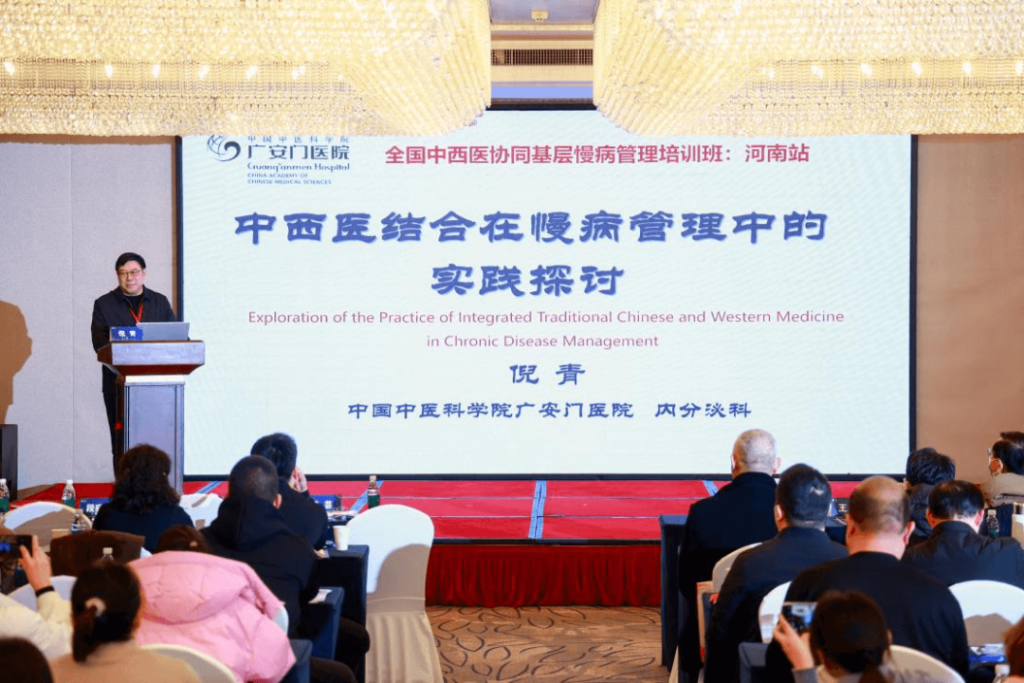
The training course is in the academic exchange session. With the title of “Practical discussion on the integration of Chinese and Western Medicine in the Management of Chronic Diseases”, Professor Ni Qing elaborated in detail the definition, tasks, industry development status and the unique advantages of integrated Chinese and Western medicine in the management of chronic diseases. Through a wealth of clinical cases, he demonstrated the successful application of integrated Chinese and Western medicine in diabetes management, and provided participants with valuable experience sharing.
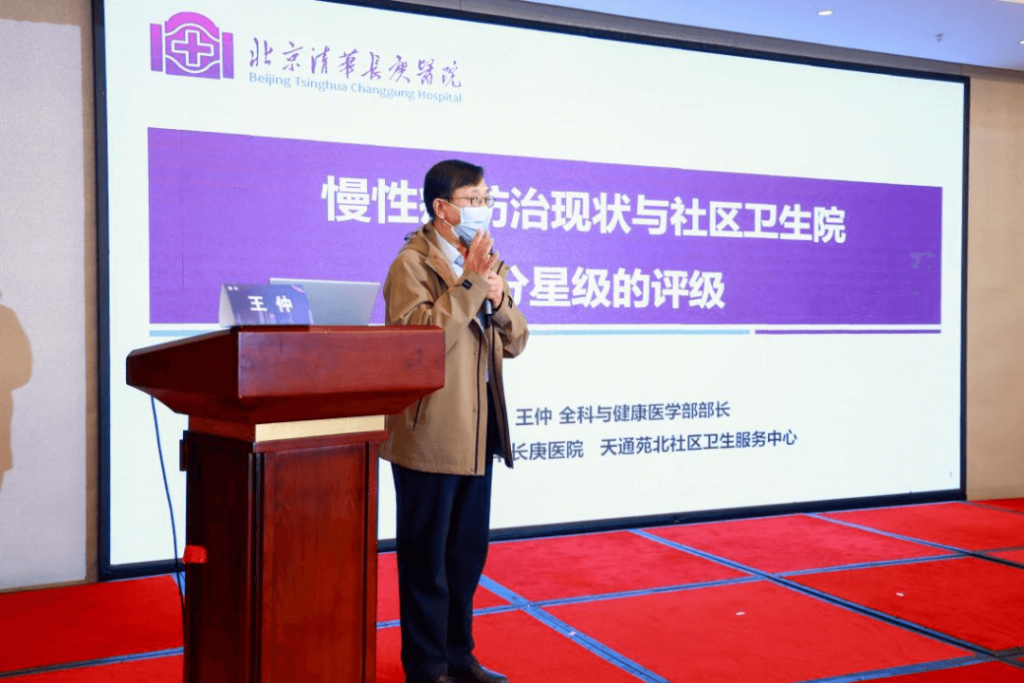
Professor Wang Zhong of Tsinghua Chang Gung Memorial Hospital in Beijing gave an in-depth explanation on “the current situation of chronic diseases and prevention countermeasures and the star rating of community health hospitals”. He emphasized the severe situation of chronic disease prevention and control and the important role of primary medical institutions in the management of chronic diseases, and put forward suggestions to enhance the capacity of primary medical services through policy guidance, scientific and technological innovation and other means.
The expert lectures in the afternoon were equally exciting. Dean Ma Liren of the Peripheral Vascular Disease Hospital of Pingdingshan Hospital of Traditional Chinese Medicine shared the “Research and advantages of the subject under the support of the policy” and introduced the experience and achievements of primary medical institutions in scientific research and clinical practice.
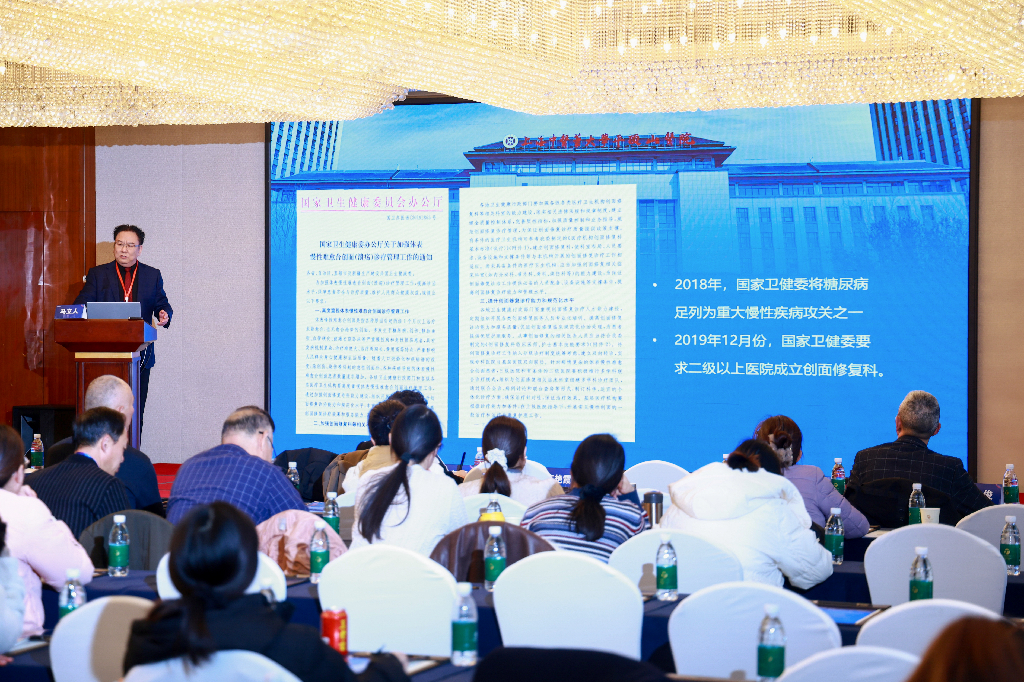
Zhang Zhen, director of the Endocrinology Department of Shangqiu First People's Hospital, focused on “the importance of remote management of diabetes at the grassroots level” and elaborated on the role of telemedicine in improving the effectiveness of diabetes management at the grassroots level.
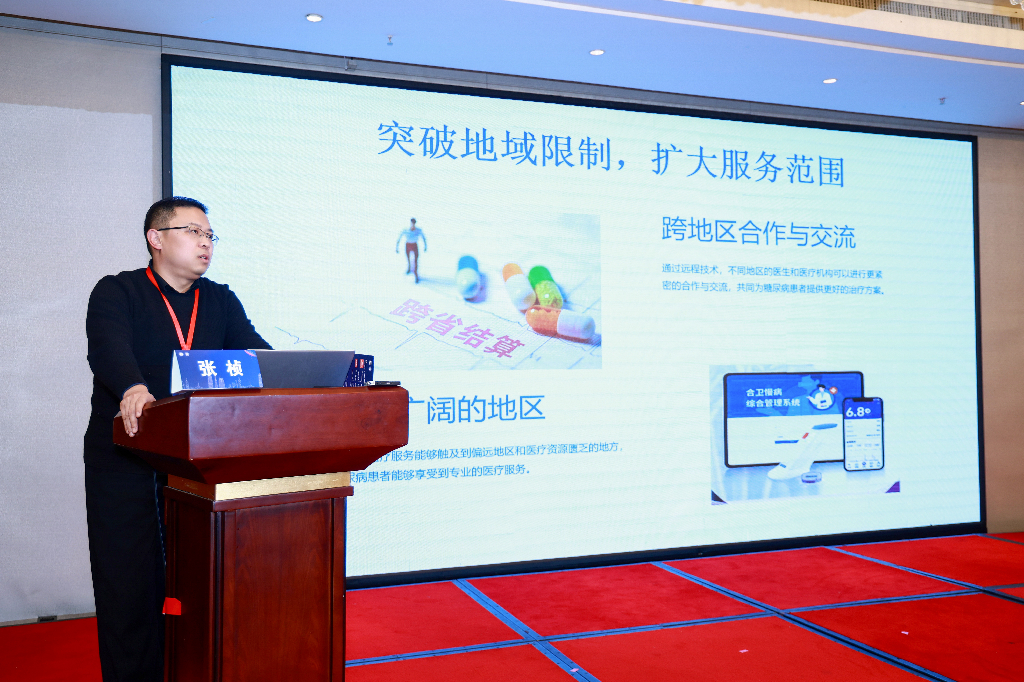
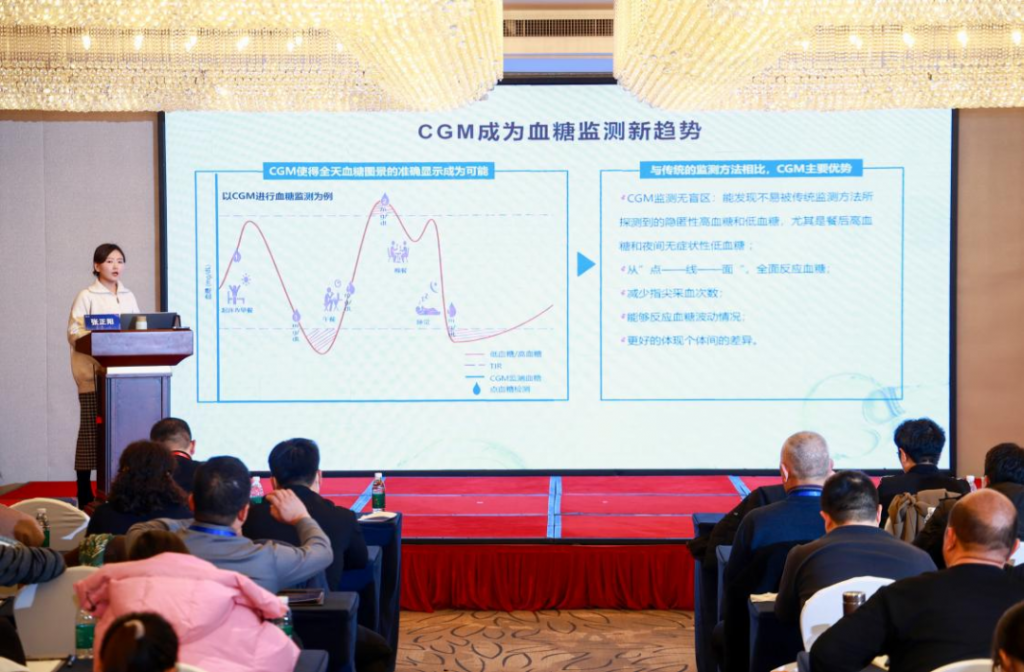
In addition, Director Zhang Zhengyang of Shamen Community Health Service Center, Guoji Road, Jinshui District, Zhengzhou City, and Dr. Yang Chuanjun of Sichuan Zhengxiantang Chain Clinic also shared wonderful views on the clinical application of continuous blood glucose monitoring in primary hospitals and the application and trend of Internet hospital chronic disease management in primary care.
The training course also set up a roundtable forum session to conduct in-depth discussions on the two major topics of “Application of new technologies and models in diabetes Management” and “How Integrated Chinese and Western Medicine and telemedicine can help the prevention and control of chronic diseases at the grassroots level”. Gao Yanxia, Director of the Department of Emergency Medicine, the First Affiliated Hospital of Zhengzhou University, Wang Zheng, Policy Research Expert, Department of Chinese Medicine Industry, China Institute of Traditional Chinese Medicine Science and Technology Development, Wang Zhong, Department of General Medicine and Health Medicine, Tsinghua Chang Gung Memorial Hospital, Beijing, Director Sun Baofeng, Zhengzhou Daqiao Hospital, Dean Xu Xinli, Jindai Community Health Service Center, Guancheng Hui District, Zhengzhou CityAnd other experts combined their respective professional fields and practical experience to share valuable insights and success stories.
In terms of new technologies and models, experts agree that with the continuous progress of science and technology, diabetes management is developing in a more accurate and convenient direction. The application of new technologies such as dynamic blood glucose monitoring has made blood glucose management more personalized and efficient. At the same time, the experts also emphasized the important role of primary medical institutions in the management of chronic diseases, and encouraged primary doctors to actively adopt new technologies and methods to improve the effectiveness of chronic disease management.
In terms of integrated Chinese and Western medicine, telemedicine and precision medicine, experts believe that the application of telemedicine technology can effectively solve the problem of insufficient resources in primary medical institutions and promote the sinking of high-quality medical resources. The promotion of the integrated remote diagnosis and treatment model of Chinese and Western medicine will help improve the level of prevention and control of chronic diseases at the grassroots level and provide better quality and efficient medical services for patients with chronic diseases.
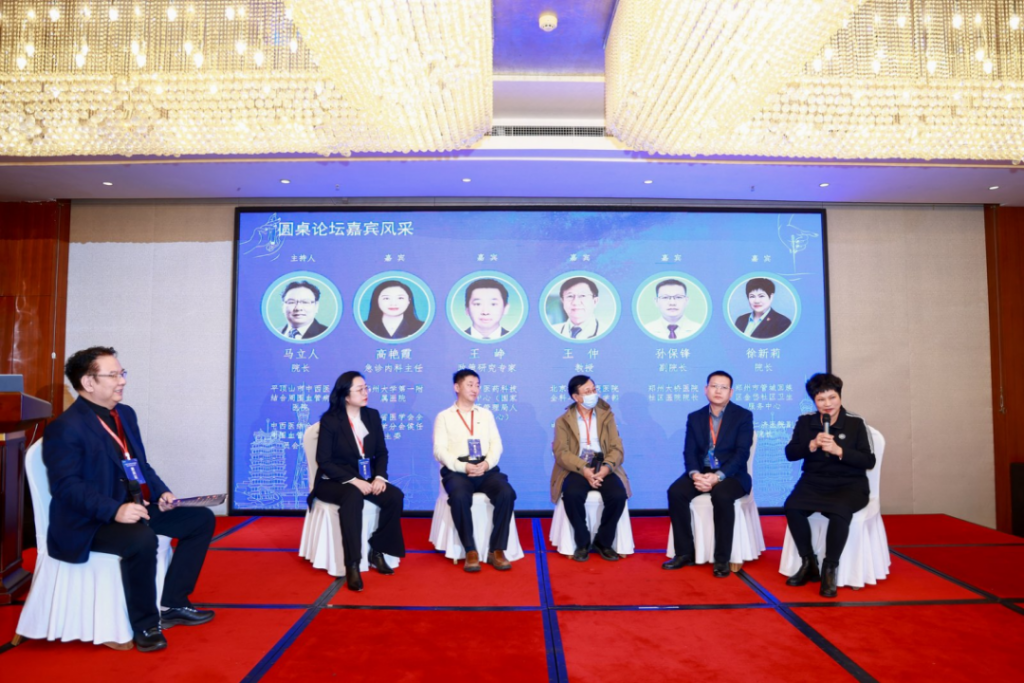
Finally, Wang Zheng, a policy research expert from the Pharmaceutical Industry Department of the China Academy of Traditional Chinese Medicine Science and Technology Development, represented all the colleagues in the organizer's direction at the closing ceremony, and expressed his heartfelt thanks to all the members of the conference team who supported the smooth progress of the conference. He pointed out that this meeting not only provided a platform for everyone to showcase the synergistic advantages of Chinese and Western medicine, but also provided valuable learning and exchange opportunities for primary care workers, helping to promote the in-depth development of Chinese and Western medicine synergy and improve the effectiveness of management of chronic diseases at the grassroots level.
Wang Zheng also emphasized the current challenges faced by the coordinated promotion of Chinese and Western medicine at the grassroots level, including different standards, talent shortages and economic issues. He called on the participants to uphold their original intention, continue to study, realize remote exchanges and cooperation through the Internet and other forms, and jointly find answers to problems. At the same time, he also encouraged primary care workers to base themselves on their duties and provide better health services to the people in their hometown and territories to reflect their own values.
During the meeting, the participants also had a lively discussion on how to establish a larger information system, solve technical problems, and clarify the path of talent development. Everyone has expressed that they will bring the results and gains of this meeting back to the grassroots level, actively promote the concept of synergy between Chinese and Western medicine, and contribute to improving the management of chronic diseases at the grassroots level.
The successful conclusion of this meeting marks a solid step forward in the field of chronic disease management in the coordination of Chinese and Western medicine. We look forward to more medical workers, experts and scholars joining this group in the future to jointly promote the continuous development of the collaborative cause of Chinese and Western medicine.
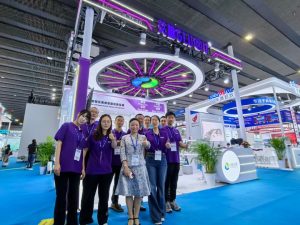
The exhibition began on September 26th, the 92nd China International Medical Equipment Fair (CMEF) was grandly opened in the China Import and Export Fair Exhibition Hall (Guangzhou). As the weather vane of global medical technology, with the theme of “Health·Innovation·Sharing-Drawing a new blueprint for Global Medical Care”, this exhibition brings together nearly 3,000 exhibitors from nearly 20 countries, bringing 10,000+ new products and the best products to build nearly 200,000. . .
View full text
The world’s leading annual summit for diabetes care is approaching. Beijing Zhongqi Huakang heads to New Orleans, USA, showcasing our innovative chronic disease monitoring solutions at the 86th ADA Scientific Sessions. We keep pace with global cutting-edge diagnosis and treatment technologies, and explore the new future of digital diabetes management together with peers worldwide.
View full text
全国招商开启 在大健康风口持续升温的当下,家用便携健康监测设备的需求迎来了爆发式增长。北京中器华康科技发展有限公司携核心产品无创指部多参数监测仪(魔戒)正式启动全国招商。适配私域、电商、线下零售全渠道,门槛灵活且扶持力度拉满,诚邀各界合伙...
View full text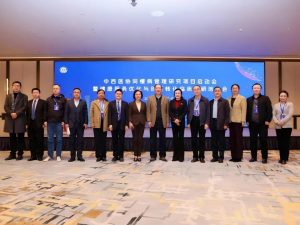
On March 29, 2025, the launching ceremony of the Research Project on Integrated Chinese and Western Medicine for Chronic Disease Management, together with the Clinical Research Training Seminar on Health Service Optimization and Innovative Translation, was successfully held at Beijing Golden Resources Hotel.
View full text