 Zhongji Huakang
Site-wide search
Search the entire website
Site-wide searchProduct centerNews Center
Click to start the search
Popular searches
UltraForm-MXFlexiPoly-RNanoForm Z300EcoFab P200
Search the entire website
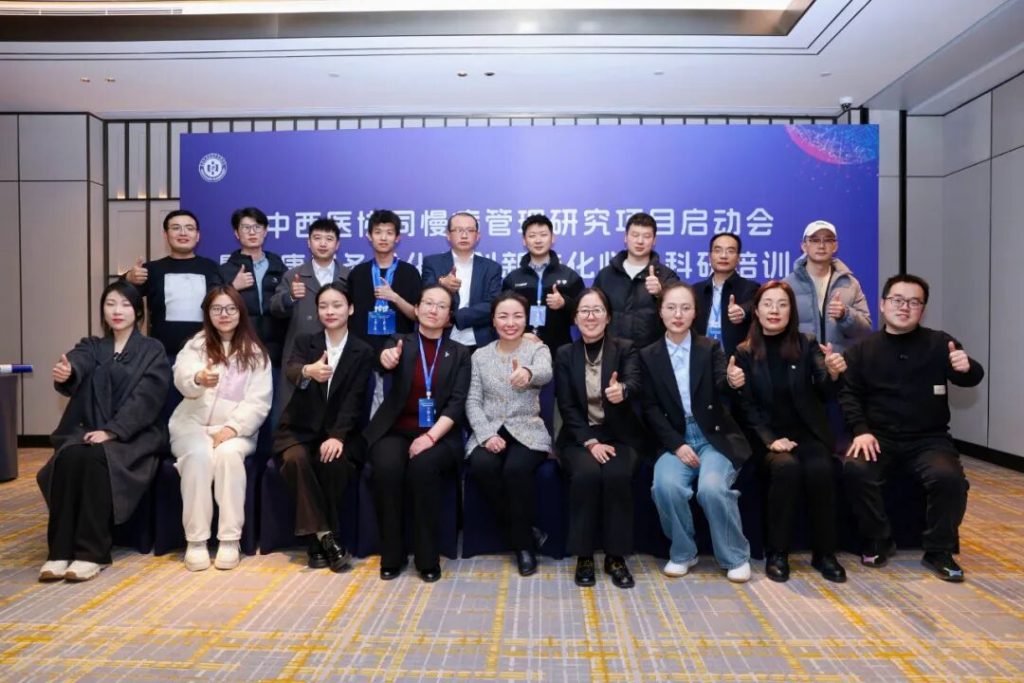
On March 29, 2025, the launch meeting of the collaborative chronic disease Management Research Project of Chinese and Western Medicine and the Clinical scientific Research Training Meeting on Health Service Optimization and Innovation Transformation were successfully held at Beijing Century Jinyuan Hotel. The seminar was hosted by the China Traditional Chinese Medicine Development Center (Talent Exchange Center of the State Administration of Traditional Chinese Medicine) and hosted by Beijing Zhongji Huakang Science and Technology Development Co., Ltd. It aims to enhance clinical scientific research and optimize health service capabilities, and promote the in-depth application of Chinese and Western medicine synergy in the management of chronic diseases.
Zeng Yun, Director of the Pharmaceutical Industry Department of the China Center for the Development of Traditional Chinese Medicine Science and Technology, Zhang Zhiguo, Director of the Science and Technology Evaluation Department of the China Center for the Development of Traditional Chinese Medicine Science and Technology, Hu Jingqing, Distinguished Professor of Tianjin University of Traditional Chinese Medicine and Chief Researcher of the Chinese Academy of Traditional Chinese Medicine, Chen Chuanhong, Professor of Beijing University of Aeronautics and Astronautics and former Director of the Major Projects Department of the Ministry of Science and Technology, Chang Geng, Tsinghua University, BeijingZhang Ping, vice president of the hospital, and other leaders attended the meeting and shared the theme.
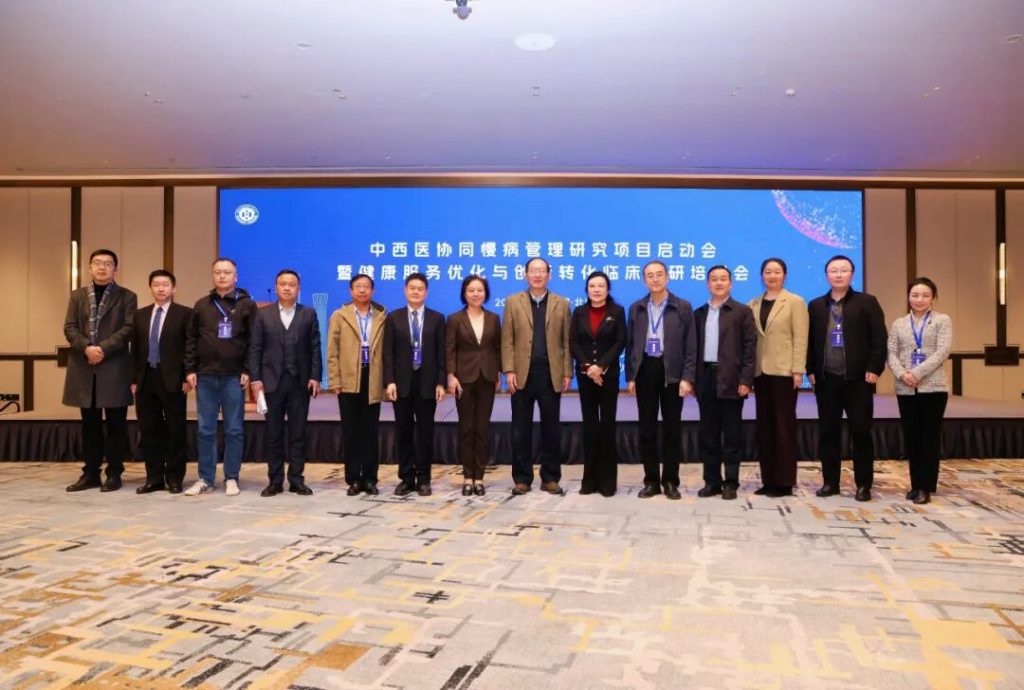
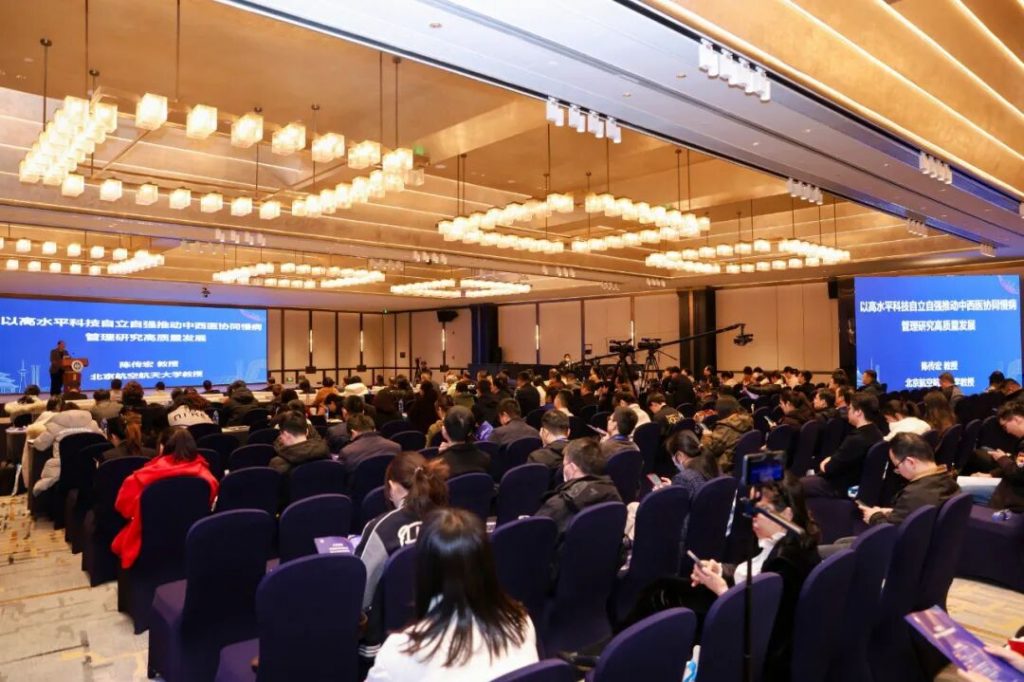
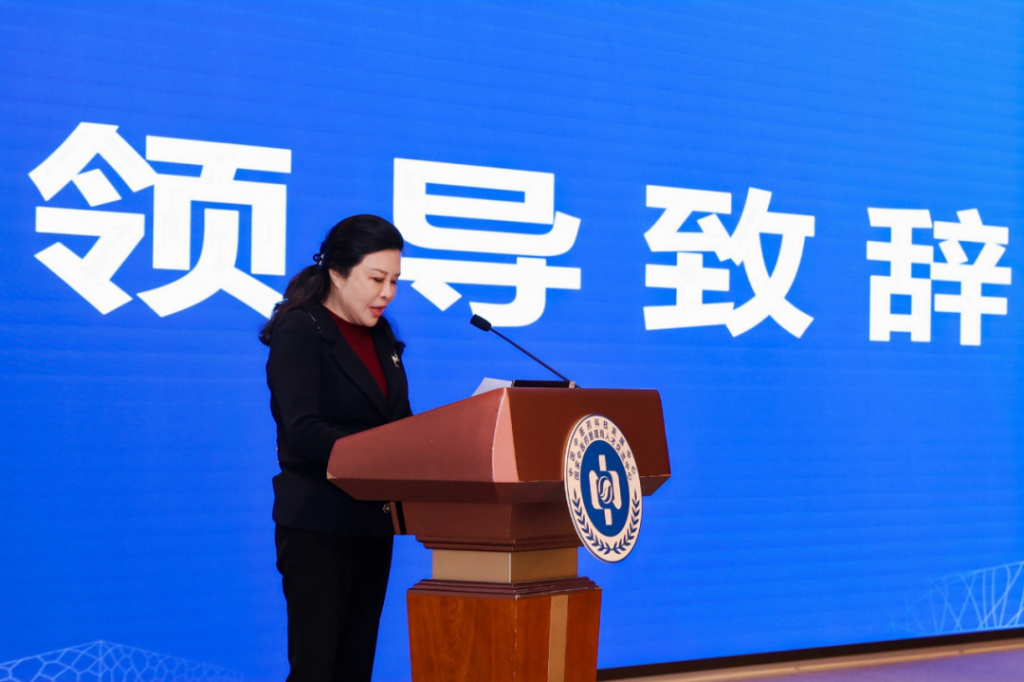
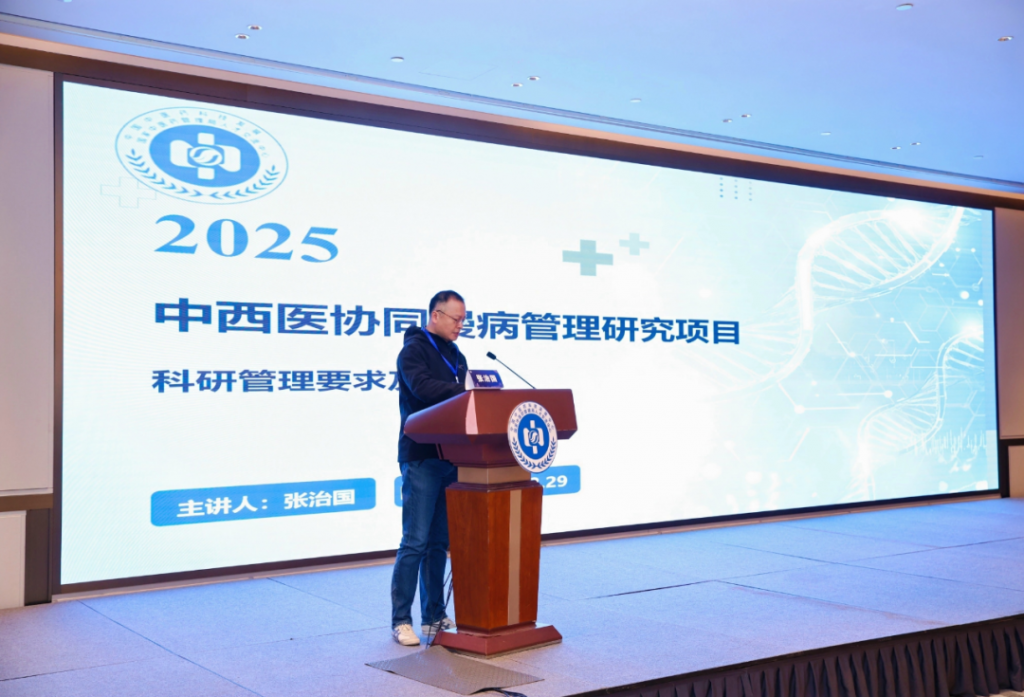
The morning opening ceremony was presided over by Expert Wang Zheng of the Chinese Medicine Industry Department of the Chinese Academy of Traditional Chinese Medicine Science and Technology Development Center. Director Zeng Yun delivered a speech combining the national strategy of healthy China and the current situation of chronic diseases, introducing the remarkable achievements made by Chinese and Western medicine in the management of chronic diseases in recent years, hoping to build a platform for exchange and learning through this training seminar., Jointly improve health management services and the transformation of scientific research achievements, promote the coordinated high-quality development of Chinese and Western medicine, and better provide the people with coordinated health services of Chinese and western medicine throughout the life cycle. Director Zhang Zhiguo of the Science and Technology Evaluation Office then introduced the requirements and norms of scientific research management, and emphasized the precautions and management details of the collaborative chronic disease management research project of Chinese and Western Medicine in the late implementation process, requiring everyone to carry out responsible research.
The training seminar module is based on the hot topics of concern to medical workers, focusing on the current status quo of chronic disease management and new technologies, and carefully arranged the "Key scientific issues of Collaborative Chronic Disease Management Research in Chinese and Western Medicine", "Promoting the high-quality development of collaborative chronic disease Management research in Chinese and Western Medicine with high-level scientific and technological self-reliance", "Digital Intelligence Technology in the management of collaborative chronic diseases in Chinese and Western Medicine", and "The role of Digital intelligence technology in the Management of collaborative chronic diseases in Chinese and Western Medicine".In the three training topics of "Application", Researcher Hu Jingqing deeply and clearly analyzed the current dilemma and way out of the synergy of Chinese and Western medicine in the medical research of chronic disease management. He regarded Chinese and Western medicine equally, respected their similarities, and valued their differences. The synergy of Chinese and Western medicine has great potential; Director Chen Chuanhong explained that the current high-quality development of research should be driven by science and technology.; Vice President Zhang Ping shared in detail the research progress of the application of digital intelligence technology and artificial intelligence in the four major chronic diseases, and provided participants with valuable ideas and case sharing.
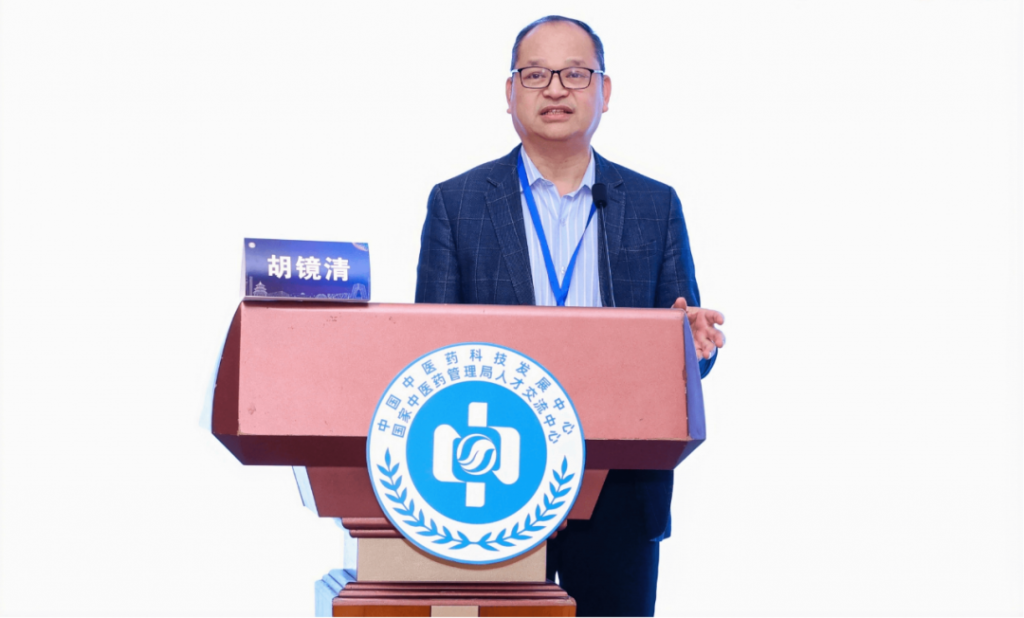
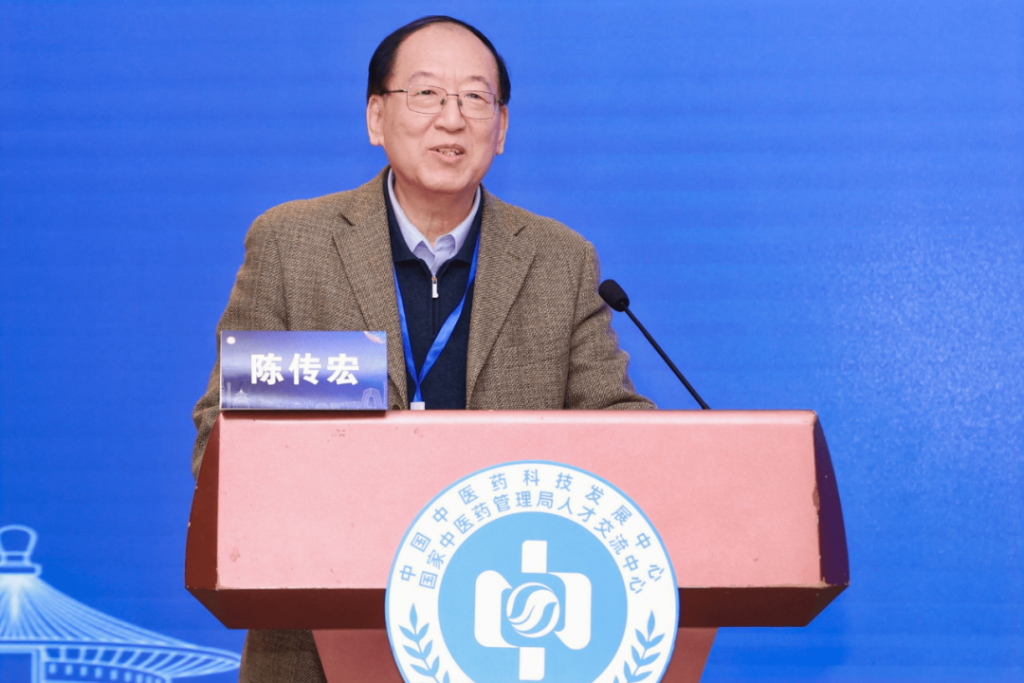
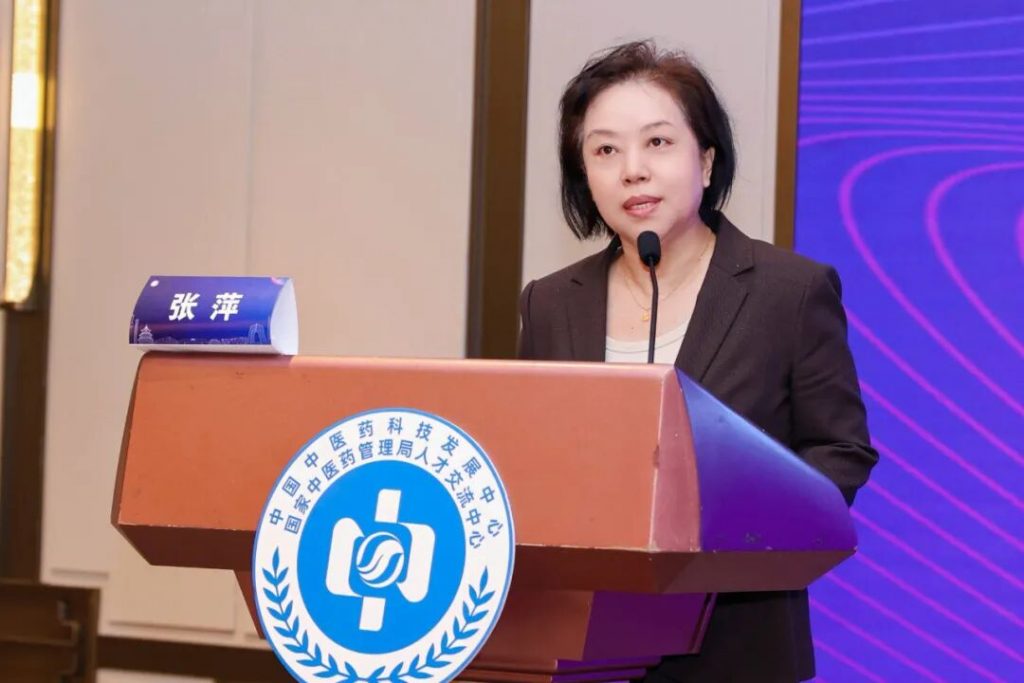
The afternoon meeting focused on specific research directions and topics and set up 5 sub-meeting venues. Hundreds of flowers bloomed and hundreds of families argued.
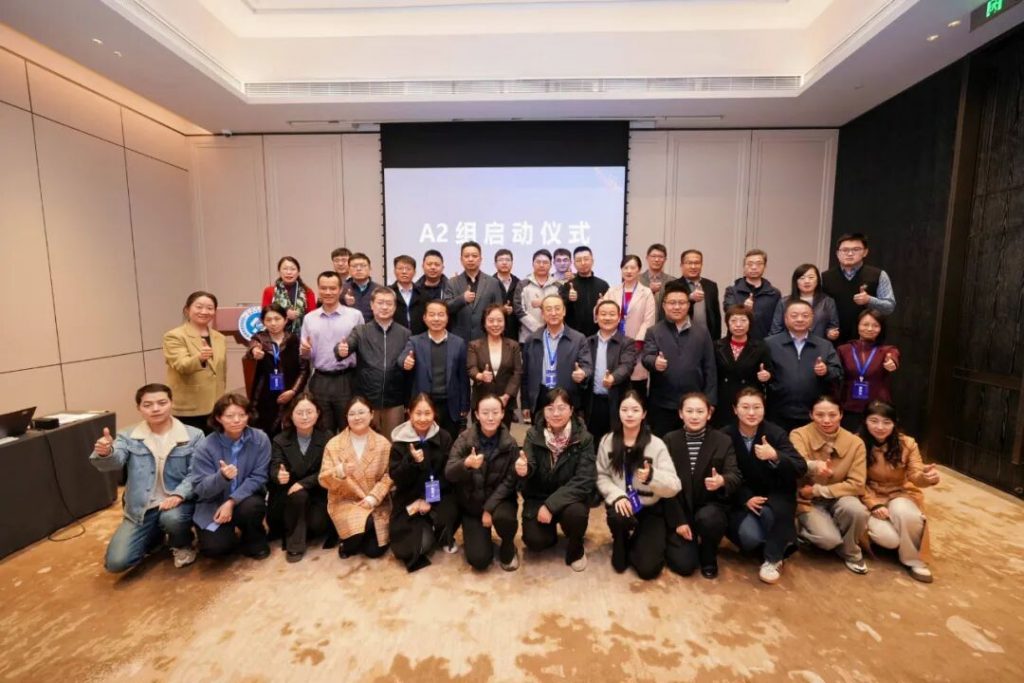
[Digital management of cardiovascular Diseases and Collaborative precision medicine in Chinese and Western Medicine] The sub-session brought together 18 units from the vascular field of the research project center to conduct in-depth exchanges on the digital management model of cardiovascular disease; for the chronic disease management of cardiovascular diseases, the importance of big data platforms, as well as blood sugar and blood lipids, were emphasized.The necessity of monitoring and management of comprehensive indicators such as uric acid, blood pressure, weight, and sleep has laid the foundation for the construction of a metabolic management center for cardiovascular disease.
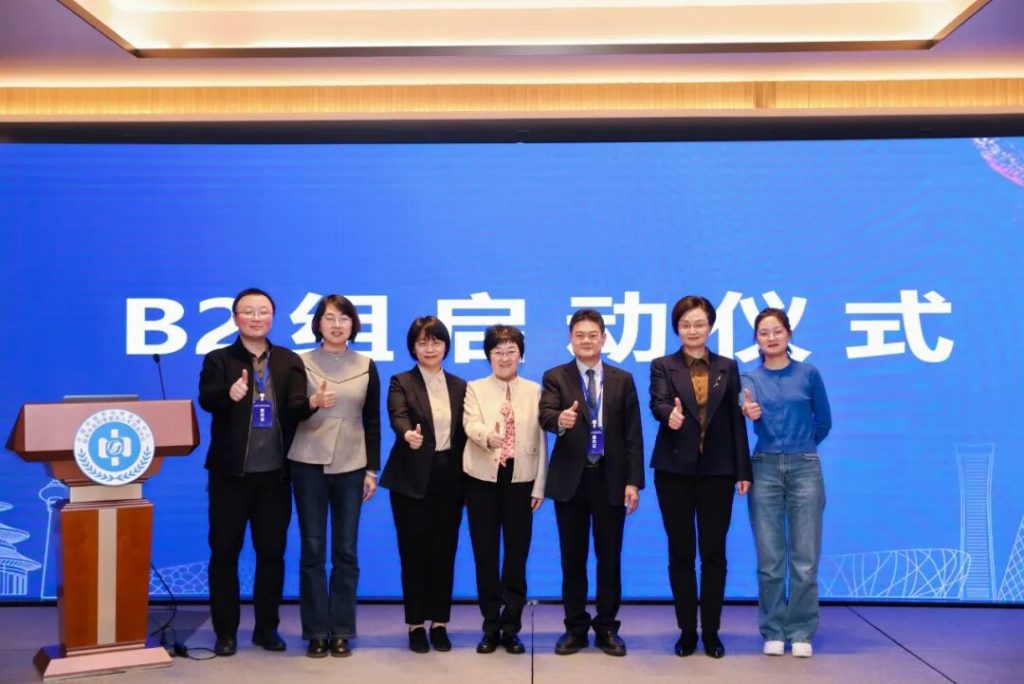
[Collaborative optimization of diabetes management by Chinese and Western Medicine] The sub-session discussed follow-up research planning around the whole course of diabetes, from the identification of risk factors and complications of prediabetes, to the precise management of diabetes, to remote management and intelligent follow-up, and finally to artificial intelligence-assisted diagnosis and decision-making research. In terms of the new collaborative model of Chinese and Western medicine, the participants agreed that with the continuous progress of science and technology, the application of CGM monitoring and big data platforms to help diabetes management is developing in a more accurate and convenient direction.
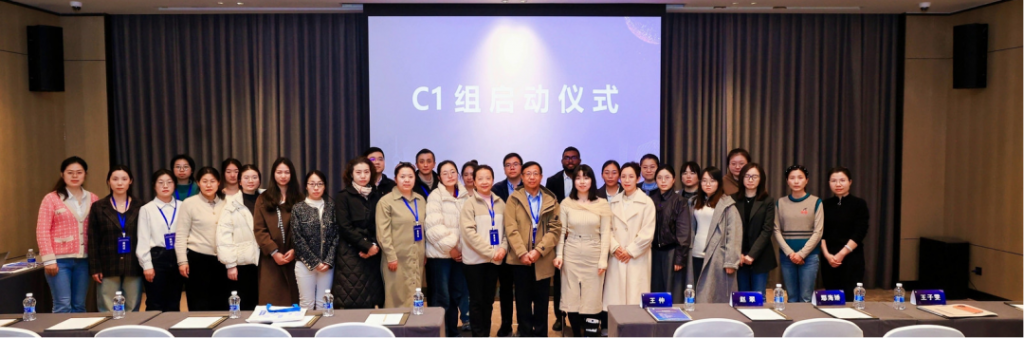
[Primary Care Collaborative Management Model of Chinese and Western Medicine in Primary Care] The branch meeting is mainly aimed at the current situation of chronic disease prevention, control and management in the community, hoping to better improve the health of community residents. From the prevention and control of the ”three divisions“ to the ”four high levels", the value of the data model for the management of chronic diseases at the grassroots level is expounded. Through the active health management model, the stickiness between doctors and patients is enhanced, and the value of grassroots workers is better enhanced.
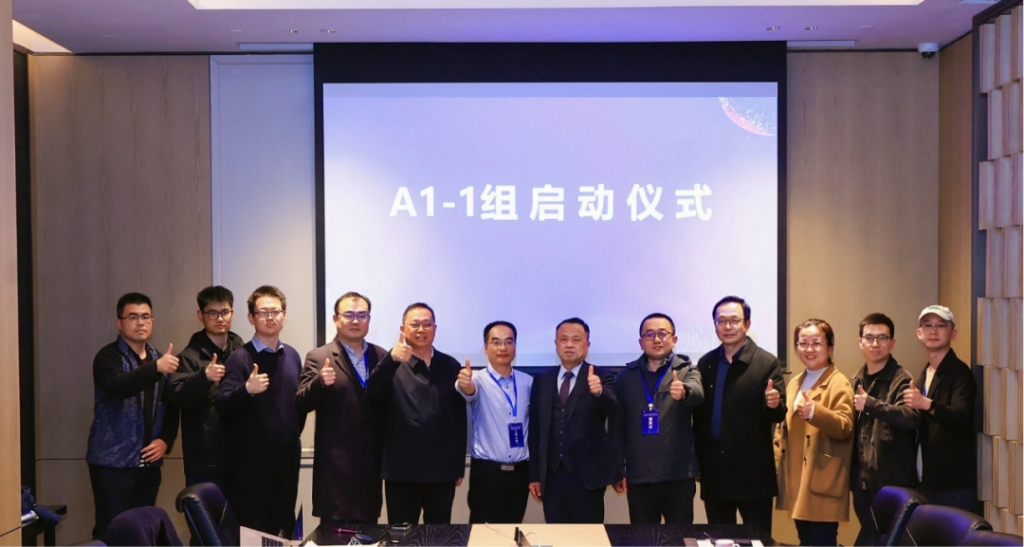
The fourth session of the sub-session is the topic of [Collaborative acute ischemic stroke risk prediction and Management in Chinese and Western Medicine], the current situation of stroke morbidity, fatality and disability rate, and recurrence rate in our country. It is of great significance to analyze the methods of early identification of stroke risk factors and make risk predictions so as to achieve early detection and early prevention.
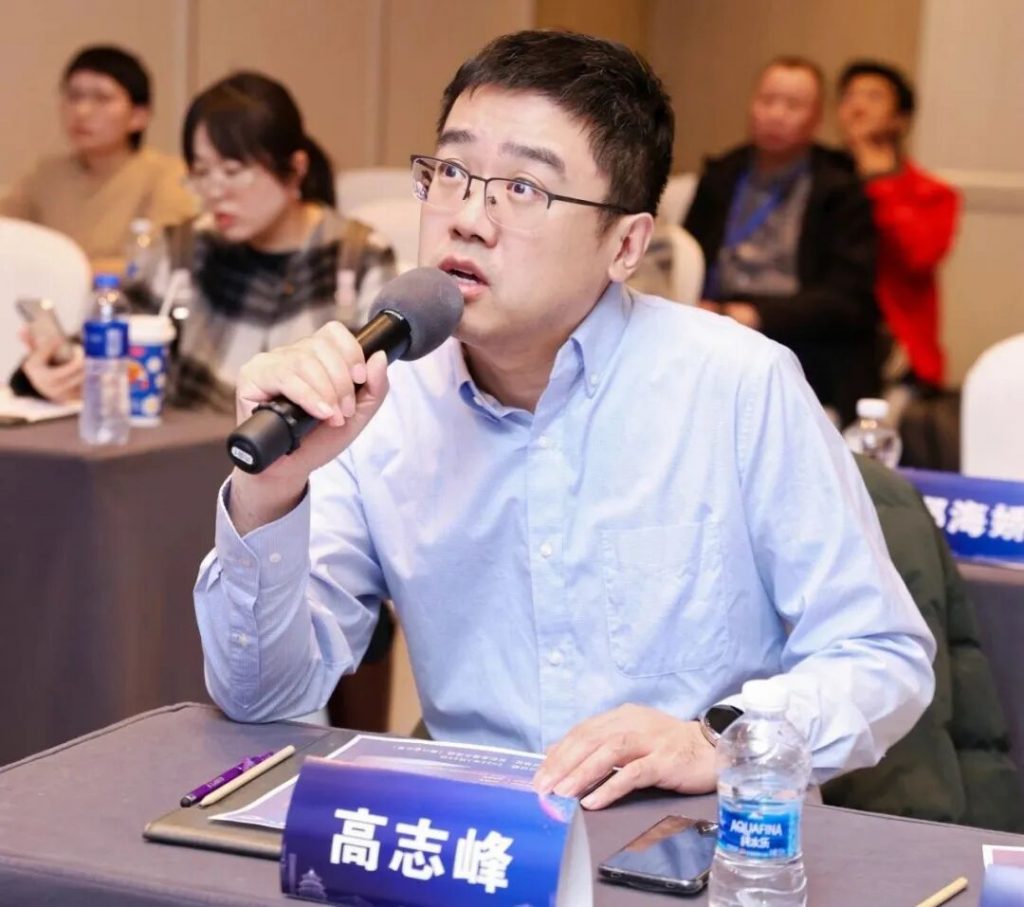
Director Gao Zhifeng, Department of Anesthesiology, Tsinghua Chang Gung Memorial Hospital, Beijing, presided over and led the sub-session five, namely [Application of Appropriate Techniques in Chinese and Western Medicine in perioperative Blood glucose management]. Six thematic lectures were set up around the application and scientific research of perioperative blood glucose management. The participants proposed CGM-driven perioperative blood glucose.The new management model can effectively solve the problem of frequent perioperative blood glucose disorders and lag in management, which is of great help to improve the quality of surgery and the patient's prognosis.
This training meeting is also the scientific research launch meeting of the collaborative chronic disease management research project of Chinese and Western Medicine. The scientific research project is the quantitative embodiment of the discipline construction and academic level, and it is also the key to connecting basic research and clinical transformation. This scientific research is a multi-center research cohort of tens of thousands of people, hoping to build a collaborative precision medicine big data platform and database of Chinese and Western medicine, with special emphasis on the importance of informatization of scientific research data. The EDC system is specially designed for complex clinical research, closely follows the content of the topic, and creates exclusive data management modules to help precision medicine and efficient scientific research, which are more and more favored by researchers. The training session was an immersive learning seminar, with more than 500 participants. The participants listened carefully, actively shared, discussed enthusiastically, and had in-depth exchanges. Everyone expressed that they would bring the results and gains of this meeting back to the clinic, actively promote and practice the concept of synergy between Chinese and Western medicine, and contribute to improving the level of chronic disease management.
Zhongji Huakang Technology Development Co., Ltd. is committed to building an AI active health platform for chronic diseases, through smart wearable devices, big data decision-making, digital therapy architecture, telemedicine care services, EDC scientific research auxiliary modules, etc. To create a closed loop of integrated management inside and outside the hospital to assist clinical scientific research and real-world research. Innovated the refined management model of chronic diseases. To help a healthy China, we work together.
生机五月,齐聚春城。为提升医疗机构科研及创新转化能力,深入探讨中西医协同慢病管理、数字健康技术应用,5月17日,由中国中医药科技发展中心(国家中医药管理局人才交流中心)主办,云南大学附属医院承办的“2025年中西医协同健康服务优化与创新转化临床科研培训...
View full text
2024年12月25日,全国中西医协同基层慢病管理培训班河南站在郑州市泰宏文森特酒店三楼中原厅成功举办。本次培训班由中国中医药发展中心(国家中医药管理局人才交流中心)主办,旨在提升基层医疗机构对慢性病管理的综合服务能力,推动中西医协同在慢病管理中的深入应...
View full text
9月26日,第92届中国国际医疗器械博览会(CMEF)在中国进出口商品交易会展馆(广州)盛大启幕。作为全球医疗科技风向标,本届展会以“健康·创新·共享——共绘全球医疗新蓝图”为主题,汇聚来自近20个国家的近3000参展企业,携10000+新品、臻品,构建近20万平米的创新...
View full text